1. Safety talk
The team explains how to avoid sticks, what to do if someone is exposed and who should stay out of the area.
Wailea, HI · Maui County
Worried about what is hiding in drawers, bags or a vacant building in Wailea? Call (877) 812-4220. Crews check the whole space, collect sharps with tools and clean up afterward.
If anyone is in danger, call 911 first. For a suicide crisis, call or text 988.
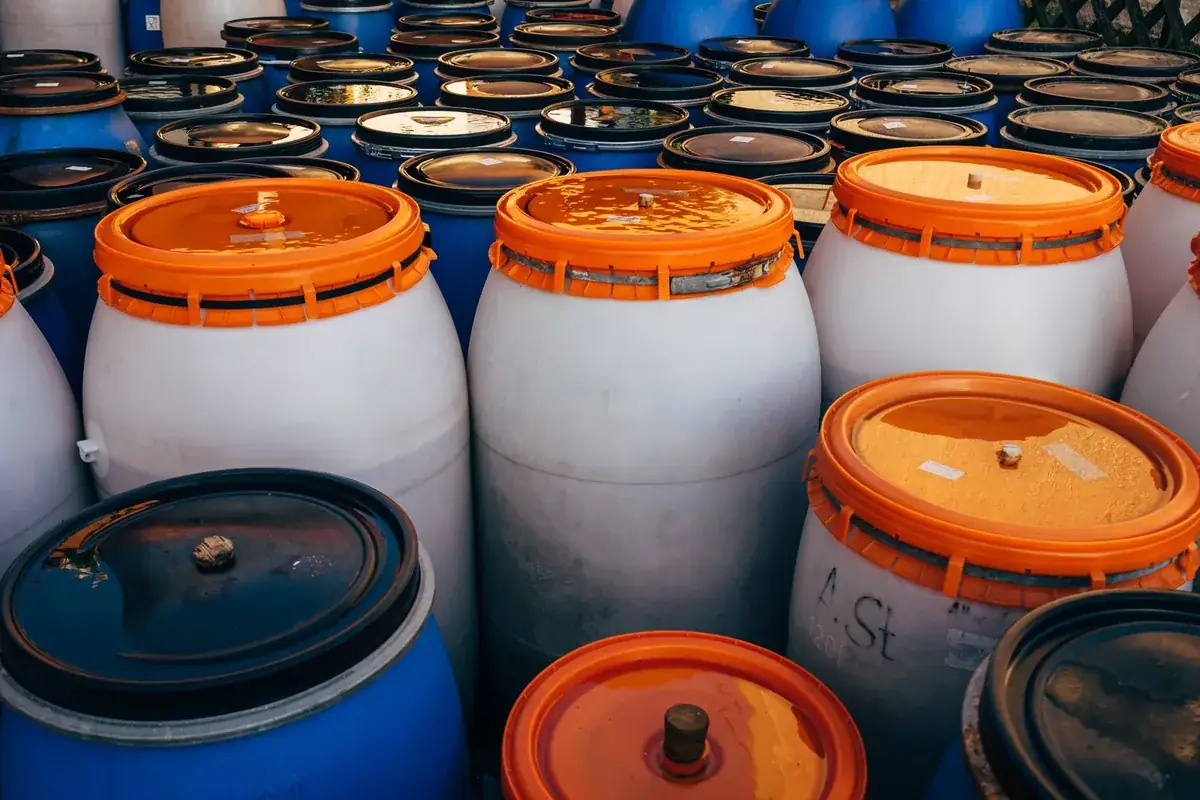
Syringe cleanup removes used needles from places where they should not be and treats the surfaces they touched. The sharps are collected, sealed and hauled away as regulated medical waste.
Need careful syringe removal in Wailea or nearby communities in Maui County? Call Wailea Biohazard Cleanup Help. Cleanup technicians follow the OSHA Bloodborne Pathogens Standard, 29 CFR 1910.1030, when sharps are involved, so you do not have to touch them.
Most homes in Wailea are owner occupied, with renters at about 30% of households, so many needle calls come from families clearing a home or yard. A stick, cut or splash should be checked by a doctor without delay. Kula Hospital in Kula serves people in and around Wailea.
The work often covers:
The team explains how to avoid sticks, what to do if someone is exposed and who should stay out of the area.
The team moves in a set pattern so no section is skipped, since a single missed needle is still a hazard.
Tools lift each sharp into a container. Lids are locked, and containers are labeled for transport.
The crew removes the containers, double-checks the space and answers questions before leaving.
The cost of needle & sharps cleanup in Wailea, HI depends on the amount of material, how it is packed and how it is hauled.
Repeat sweeps cost differently from one-time jobs. A property where needles keep appearing may do better with a schedule.
| Type of job | Typical range |
|---|
Estimates only, not a quote. Sources: . Price drivers include number of items, where they are found, whether a sweep of a large area is needed, waste disposal. Call (877) 812-4220 to talk through the job.
They can be tucked into couch cushions, mattress seams, drawers, vents and ceiling tiles. That is why a sharps sweep covers more than the floor. Crews check hidden spots with tools and light before declaring a room clear.
The crew searches the whole area with protective gear and tools. It collects each sharp into a puncture-resistant container, cleans surfaces where sharps lay, and hauls the sealed containers away. A final walk checks that nothing was missed, and the team can provide a record.
Yes. Dogs and cats may sniff, chew or step on sharps. Keep pets away from the area until a cleanup team has searched it. If a pet is stuck or swallowed something, call a veterinarian right away.
No. Recapping or bending a used needle is one of the most common ways people get stuck. Leave it where it is and let a cleanup team lift it with a tool and place it in a container.
Safer options exist. Many cities and health departments have programs for found needles and may give instructions or send someone. If you are unsure, do not touch it. Leaving a needle in place and keeping others away is safer than risking a stick.
Some cities and counties collect found needles from public land at no charge, and many do not. Availability varies. The local health department or public works office can say what exists where you live, and a cleanup team can help with private property.
Ask about discreet arrival in an unmarked vehicle if privacy matters.
Call (877) 812-4220